Event that returns
How agencies create events that take on a life of their own
The most interesting events don’t end when the set is dismantled. They come back. They develop their own rhythm, audience, language, and place in the audience’s calendar. They stop being a one-off activation and start working like a format — above all recognizable, repeatable, and capable of being developed across successive editions.
This is one of the more important shifts in how we think about the events industry. Agencies are no longer merely executors of briefs. Increasingly, they are becoming co-creators of experience-brands: projects that can be scaled, moved between cities, developed with partners, and built into communities.
A good event answers the need of the moment. A good format creates the need to return.
When does an event become a format?
A format begins where an event has something more than the script for a single day. It has its own promise.
A participant doesn’t show up solely because they’re interested in the program, the line-up, or a brand’s presence. They come because they recognize the world of the event. They know what to expect, yet they still want to be surprised.
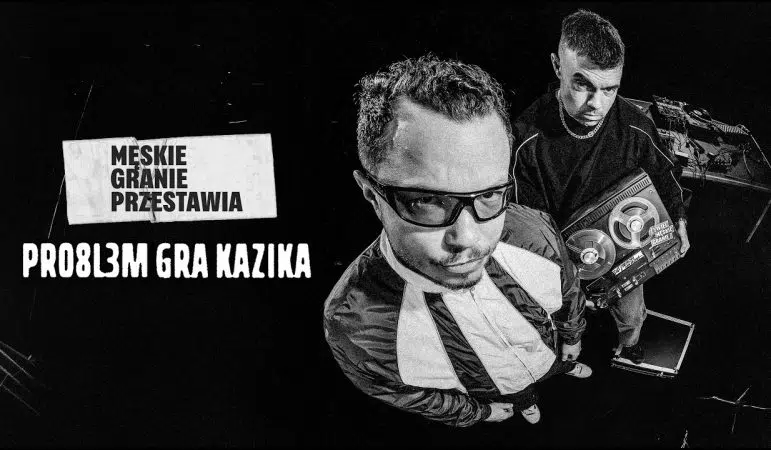
This is precisely why Męskie Granie long ago stopped being just a concert tour. It’s a summer ritual of Polish music, with its own calendar, dramaturgy, anthem, finale, and an audience awaiting each new installment like the premiere of a new season. The strength of the format is evidenced not only by sold-out tickets, but also by the way the project varies its formula each year. In the 2026 edition, one such element is the project “Męskie Granie Presents: KULT // PRO8L3M plays Kazik” — a meeting of two musical worlds and a reinterpretation of a well-known repertoire in a new arrangement.
This shows that a cyclical format can’t rely solely on repeating a proven scheme. It has to give the audience a new reason to come back.
Here, the brand isn’t a logo stuck onto the stage. It’s the host of the entire experience.
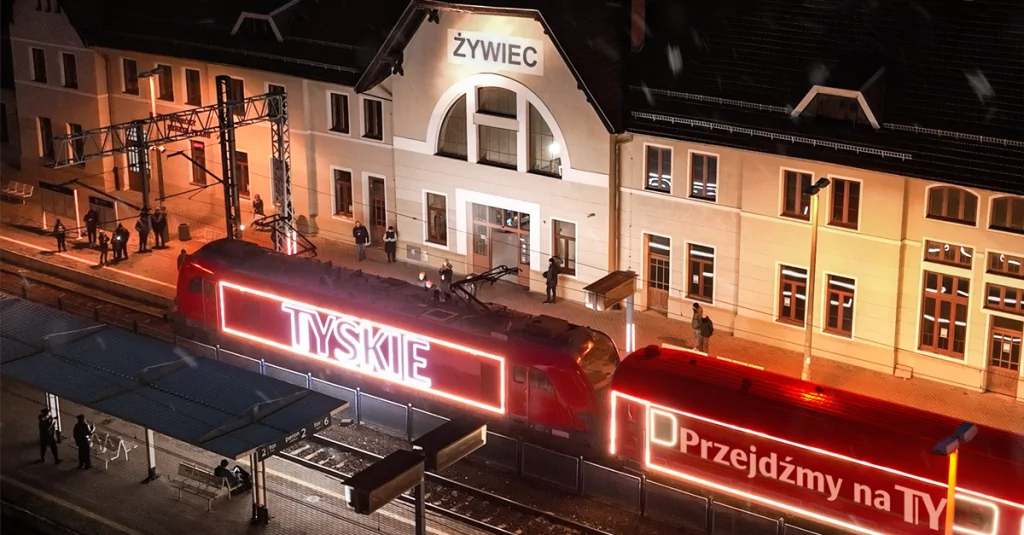
Tyski Pociąg (the Tyskie Train) works in a similar way. This example of a format long ago moved beyond the advertising screen and became a real experience. The train isn’t merely a vehicle for a campaign. It’s a stage, a symbol, and a pretext for coming together. The format was built around a simple but capacious insight: “moving to a first-name basis” — closing the distance and creating community across divides.
So the brand doesn’t just talk about closeness. It organizes a situation in which that closeness can actually happen.
Repeatability doesn’t mean copying
The biggest challenge in creating cyclical formats is maintaining the tension between recognizability and freshness.
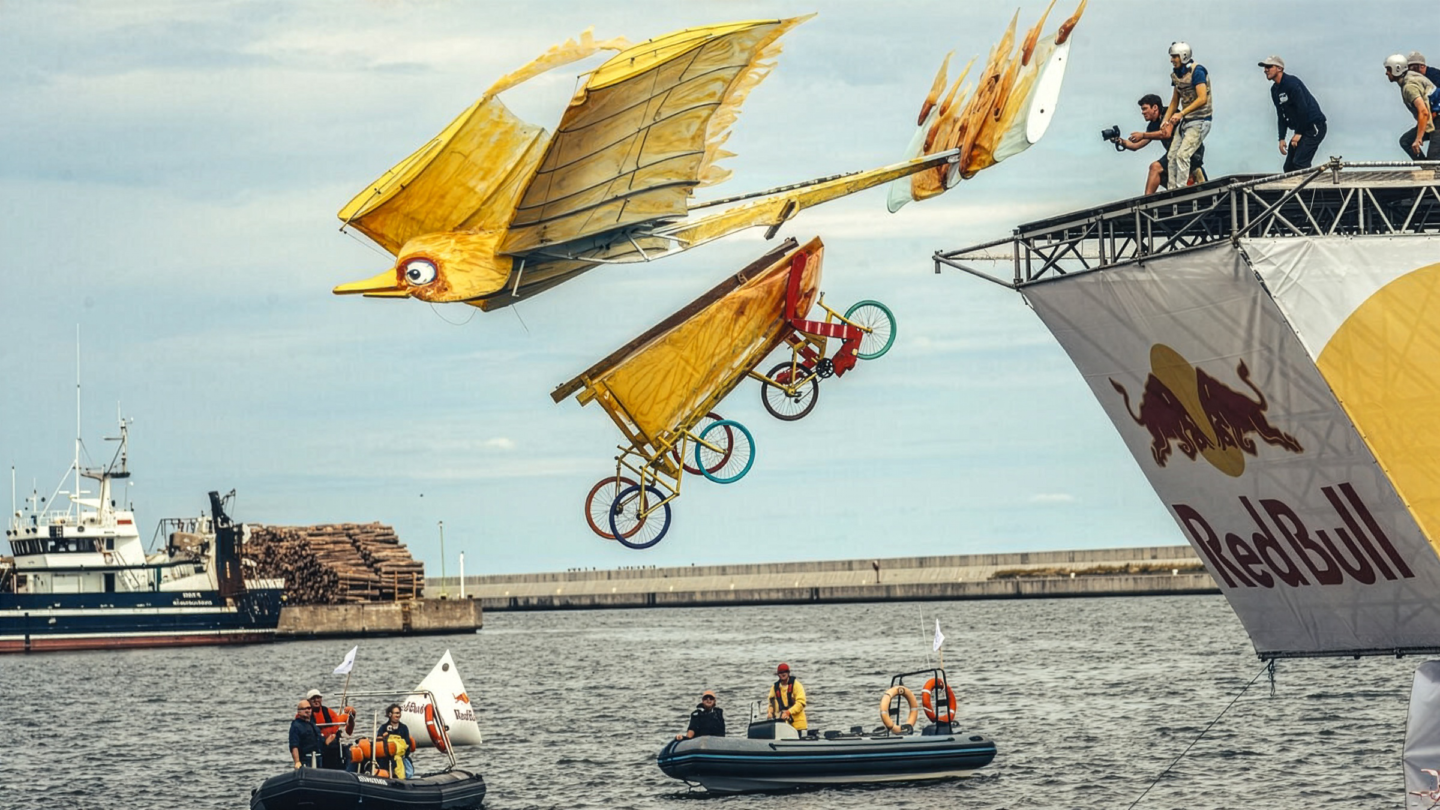
Męskie Granie can change its line-up, single, orchestra roster, and special projects every year, yet it remains the same universe. Tyski Pociąg can return in different versions, visit new cities, and invite new participants, yet its core stays legible. The Red Bull Flugtag can change locations, teams, and contraptions, yet it still works as a spectacle based on the same instantly understandable mechanic: build a machine, get up to speed, fly as far as you can, and entertain the crowd.
It’s precisely this mechanic that distinguishes a format from a one-off activation.
In a classic event, we have an idea, guests, and an end result. In a format, we have a structure that can be developed. You can add further chapters, change the scale, bring in partners, modify the space, and create new points of contact with the audience.
There are also seasonal formats that return like an element of the collective imagination. Coca-Cola’s Christmas truck is one of the most recognizable examples of an experience that a brand repeats and develops over the years. Its strength lies not in a complicated mechanic but in consistency. The same symbol, the same moment of the year, and the same emotion — and in people’s heads, the anticipation of the holidays switches on.
This is proof that being cyclical doesn’t have to mean being boring. It can mean ritual.
The agency as IP creator, not just producer
For event agencies, this is an enormous change. Their job is no longer solely to produce the stage, the sponsor zone, or the premiere evening. Increasingly, they have to answer the question: does this idea have the potential to come back next year?
Can it be named?
Will the audience understand its code?
Can the brand be present in it not as a sponsor, but as the owner of the emotion?
Can the format be developed without losing its character?
In this sense, agencies increasingly act like IP creators. They design not just an event, but a platform: a name, a rhythm, recurring elements, content potential, partnerships, and the way audiences will want to keep telling others about the event.
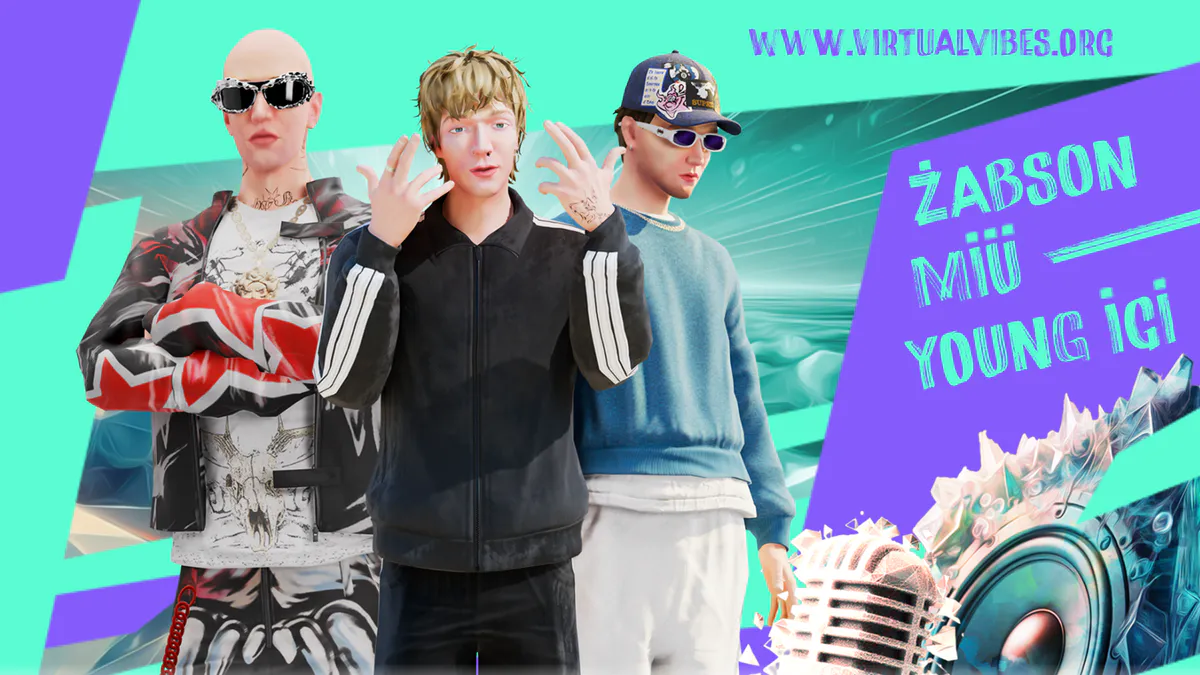
An interesting example of a new type of format is Virtual Vibes, a music festival in the metaverse. Here the agency doesn’t just produce an event — it creates its own IP, which can operate with different partners and across different editions. This shows that the future of events doesn’t have to be confined to physical space. A format can live in Roblox, in an app, in a stream, on social media, or in a hybrid of the online and offline worlds.
What matters is that it has its own logic and a reason audiences want to take part in it.
The business logic of cyclicality
The business dimension of such projects is significant too.
Cyclical formats often come about not only because a brand wants to “do something interesting,” but also because, for an agency, they can become a long-term source of revenue. If an idea is well received, it can be developed year after year, with further editions sold and built out with new partners, cities, artists, ambassadors, or additional communication channels.
In the ideal scenario, then, the agency doesn’t create a one-off event, but a platform — one that ensures recurring collaboration and a more stable business model.
But intention alone isn’t enough.
An idea can be designed with cyclicality in mind, but ultimately it’s the audience that validates whether the format makes sense. Their attendance, engagement, social-media reactions, willingness to return, and sense of belonging decide whether the event truly becomes a ritual, or remains merely a well-packaged activation.
Ritual is stronger than reach
The best formats share a few common traits.
First: a simple, powerful idea that can be told in a single sentence.
Second: a repeatable structure that allows successive editions to be developed.
Third: an element of surprise, so that audiences don’t feel they’re watching a copy of the previous year.
Fourth: a strong connection to the brand, but without pushy salesmanship.
Fifth: a community that starts treating the event as part of its own calendar.
That’s why cyclical events are far more valuable to brands than one-off activations. A one-off event generates reach. A format generates cultural capital.
Over time, it starts to work like its own medium: it attracts artists, partners, media, influencers, and audiences not because they have to be convinced from scratch, but because they want to be part of a recognizable phenomenon.
The future of events belongs to formats
This is a response to fatigue with classic advertising. Audiences increasingly don’t want to watch brand messages — they want to experience situations that are worth their time.
If a brand can create an experience people return to of their own accord, it stops being merely the sender of a message. It becomes an organizer of emotions, memories, and social gatherings.
For agencies, this is a chance to create projects that don’t end after a single evening, but develop over the years as recognizable platforms with their own rhythm, community, and scaling potential.
The kind of projects after which people don’t just say, “that was fun,” but above all: “when’s the next edition?”