
The end of influencer marketing as we know it
Why brands are shifting from one-off collaborations to Brand Hero strategies
Influencer marketing isn’t ending. What’s ending is the model in which a brand buys one-off access to someone else’s community and hopes a single post will deliver sales.
For years, influencer marketing was one of the fastest ways for a brand to gain visibility. You picked a creator, agreed the scope of publications, sent the product and waited for the effect. That model made sense when the market wasn’t yet so saturated, audiences were less fatigued by paid partnerships, and a brand’s mere presence on a recognisable person’s profile was enough to generate interest.
Today, that same logic increasingly falls short. Not because creators have lost their influence — quite the opposite. In many categories, particularly beauty, fashion and lifestyle, creator recommendations are still one of the strongest tools for building interest in a product. What has changed is how audiences respond to collaborations. A single post or story is rarely enough to build trust, explain a product and turn attention into a purchase decision.
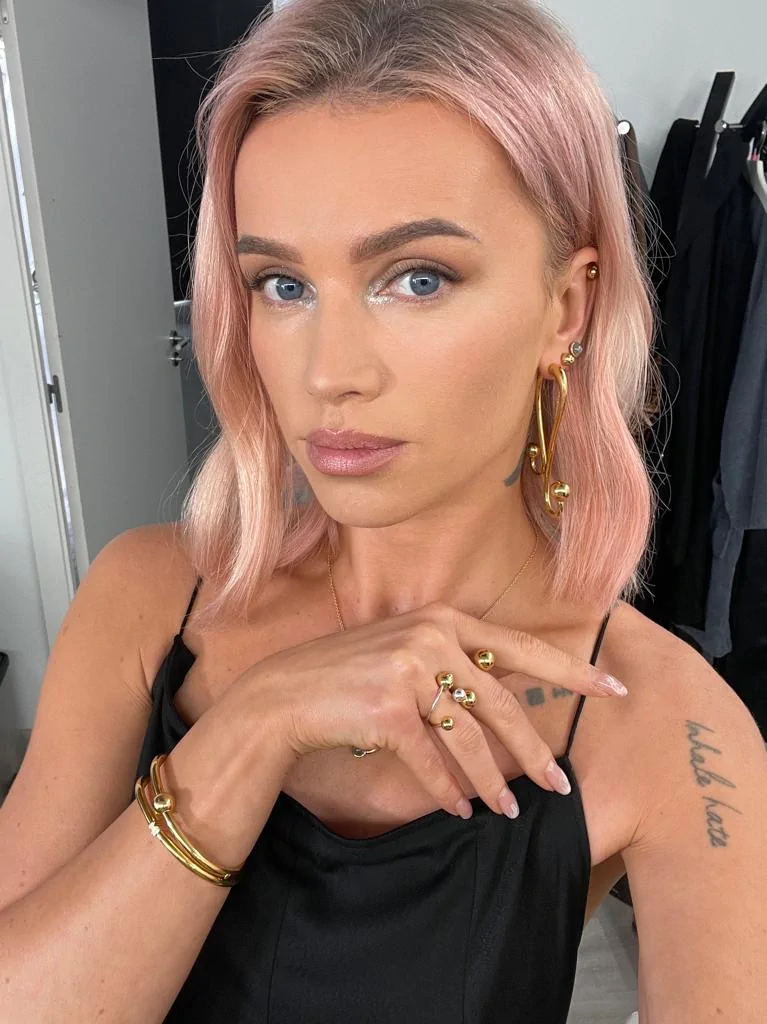
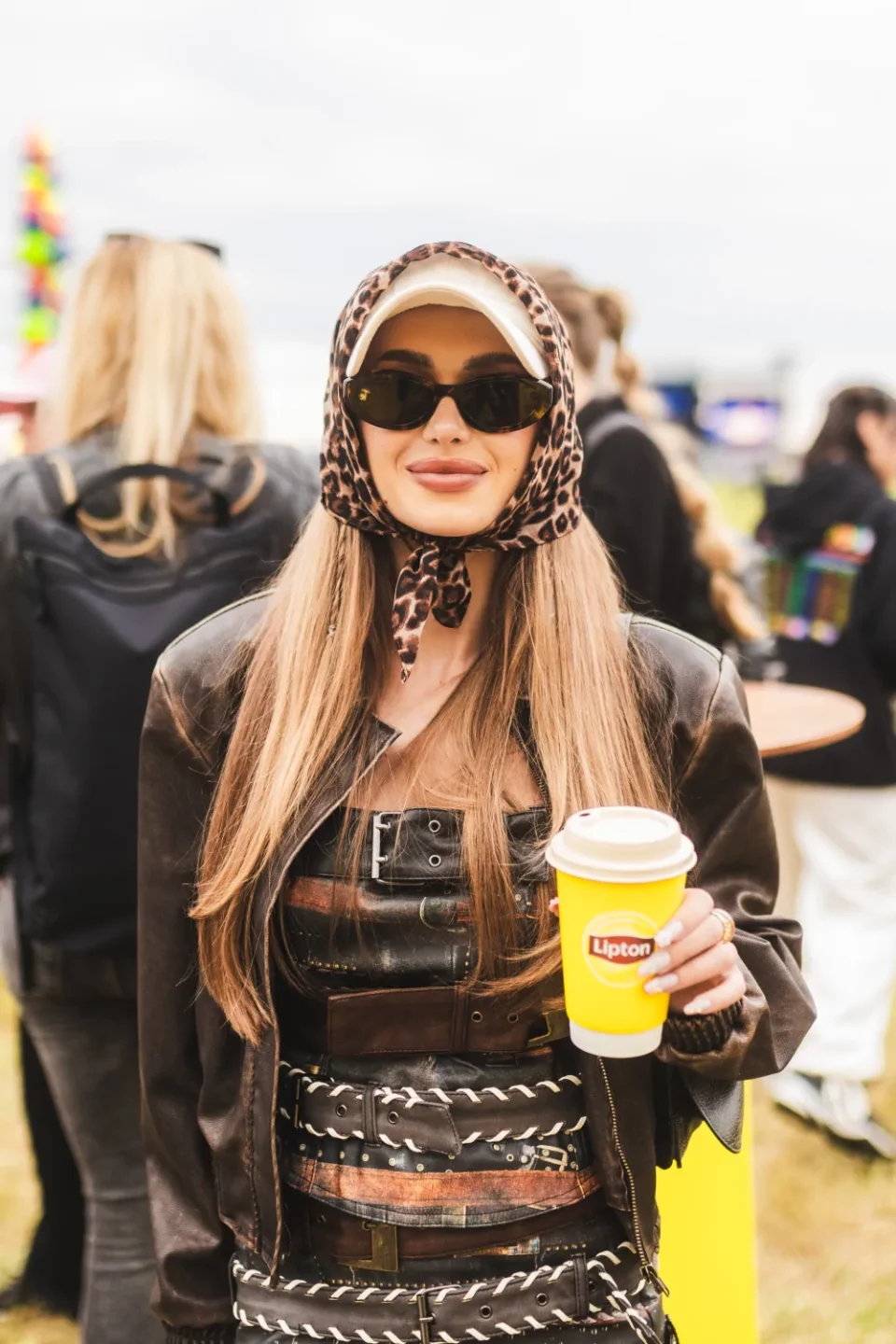
A one-off collaboration delivers visibility. It doesn’t always build a relationship.
That’s why brands are increasingly moving away from the question “who should we invite into the campaign?” towards “who can genuinely help us build the brand’s position over the long term?” This is where the Brand Hero comes in.
A Brand Hero is a creator who isn’t merely the face of a campaign or a one-time channel of reach. It’s a person who, over a longer horizon, helps the brand build recognition, credibility and a consistent context of product use.
It isn’t about the biggest name or the largest reach. A Brand Hero may have a smaller community, but if they’re well matched to the brand’s category, aesthetic and audience, their recommendation carries more weight than a random post on a large profile. The key question is: does this person have the right — in the audience’s eyes — to talk about our product?
Why does this model work better?
The single biggest advantage of a Brand Hero strategy is continuity. One publication gives the brand one moment of contact with the audience. A long-term collaboration makes it possible to show the product several times, in different situations and formats: as part of a routine, in use, in comparison, in response to an objection, or revisiting the results after some time.
This matters especially for products that require more than a purchase impulse. In beauty, the audience wants to see the texture, the application and the effect. In fashion, what counts is the styling, the quality and the way a piece is worn. In lifestyle, context is key: when the product comes in useful and how it looks in everyday life.
A Brand Hero makes it possible to tell these parts of the story gradually. The brand doesn’t overload a single publication with too many messages, and doesn’t stake the entire outcome on one algorithmic moment.
What has to change on the brand side?
First: creator selection. Reach and engagement rate matter, but they shouldn’t be the only criteria. Strategic fit is what counts: aesthetic, tone of voice, the quality of the community, the track record of previous collaborations and how naturally the creator integrates products.
- Second: the brief. A Brand Hero needs a clear direction, but not a ready-made script. The brand should define the objective, the context, the key product information and the mandatory elements — while leaving the creator room for their own language. Otherwise the content starts to sound like an ad written by the brand rather than a recommendation from someone the audience trusts.
- Third: content usage. Creator assets shouldn’t live on the creator’s profile alone. It’s worth agreeing usage rights at the planning stage and deciding whether the content will be used in paid social, e-commerce, newsletters, the brand’s own social channels or PR activity. This often determines the real value of the collaboration.
When does a Brand Hero make sense?
A Brand Hero strategy isn’t necessary for every activation. If the goal is a one-off event, a seasonal promotion or a quick visibility boost, a classic influencer campaign can do the job.
A Brand Hero makes sense when a brand wants to build a longer presence in its category, educate its audience, strengthen its positioning or generate quality content on a regular basis. It does, however, require a clear strategy. A creator can amplify the communication, but won’t replace positioning, a good brief and a smooth path to purchase.
A quick checklist for brands
- Does the creator have credibility in our category?
- Can the product be shown in a variety of contexts?
- Does the brief set a direction while leaving room for the creator’s natural language?
- Have we planned the usage rights?
- Do we know how we’ll use the content beyond the creator’s profile?
- Are the creator activities connected to PR, paid social or the brand’s own channels?
Summary
Influencer marketing isn’t going away. What’s changing is its underlying model. One-off collaborations can still be effective, but they’re less and less sufficient as the primary strategy for building a brand, trust and sales.
In the Brand Hero model, the creator isn’t just a vehicle for reach. They’re a partner who helps the brand consistently build the product’s meaning, its credibility and a better context for the purchase decision. As a result, influencer marketing stops being a one-off cost and becomes a strategic brand-building tool.