Event Organization in the Gen Z Era
How handing brand control to participants builds real engagement
Building loyalty among Gen Z requires shifting from one-way product presentation to designing experiences based on interaction. In practice, this means a new approach to event organization and to how an event agency designs experiences for participants.
Why are traditional image-driven events losing their grip on young consumers?
Fashion and beauty brands invest enormous resources in “Instagrammable” set designs, forgetting one thing: Gen Z no longer wants to simply consume ready-made aesthetics. This is a generation raised in remix culture, treating every piece of content as raw material for building their own image. “If you invite people to an event where the only activity is standing in front of a logo wall and trying out a product, you’re offering an experience that is culturally irrelevant to this group.” – Roman Gelo
A common mistake is treating an event as a brand monologue. As a result, brands burn through budgets on beautiful, empty spaces that generate momentary reach but fail to build loyalty or real community engagement. That’s exactly why a modern event company today has to think about the participant experience, not just the visual setting of the event.
How do you design experiences that Gen Z will see as authentic?
At Warsaw Creatives, we move away from passive exposure toward immersion and co-creation. Gen Z looks to brands not just for a product, but for a context that helps them answer the question “who am I?”. An effective event has to be a platform on which the participant becomes a co-author of the story.
The key is shifting from “showing” to “enabling”. Instead of presenting a finished collection, we create DIY zones, customization workshops, or artistic collaborations in which guests have a real influence on the final outcome. This builds a far stronger emotional bond than the most expensive press wall, and shows what contemporary event organization should really look like.
How do you translate the need for authenticity into a concrete project?
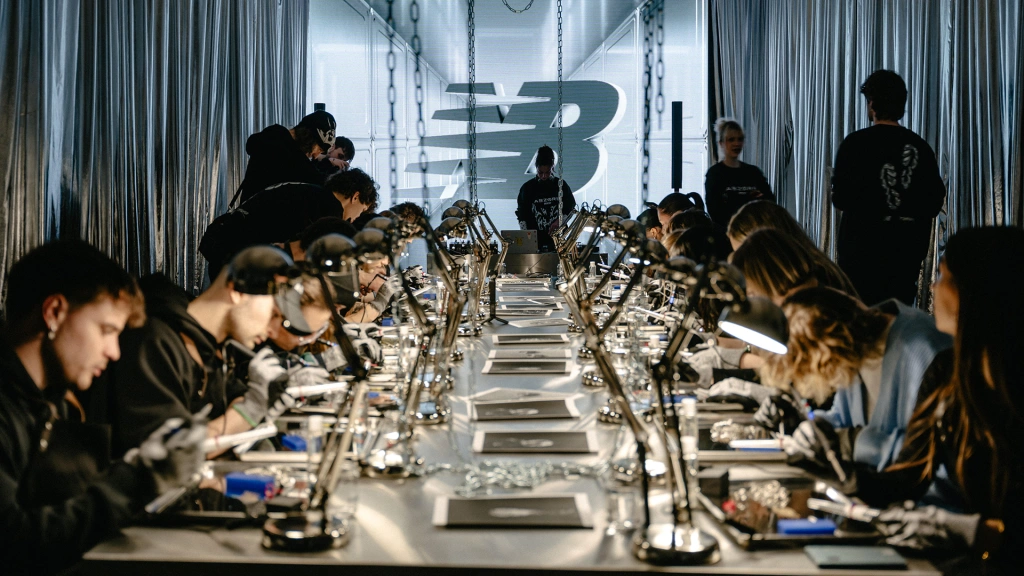
A good example of this approach was our project for New Balance x Footshop. Instead of a standard cocktail party, we proposed signet ring design workshops in a Y2K aesthetic. Guests didn’t receive a ready-made gadget with a logo – they received wax, soldering irons, and space to sculpt their own forms.

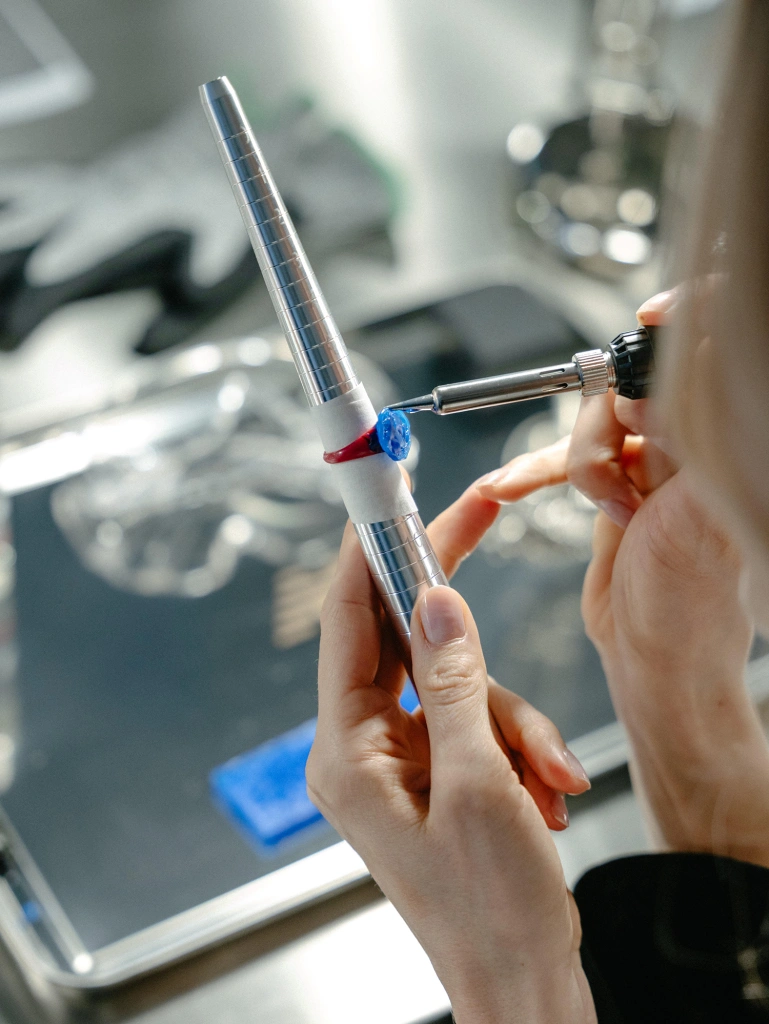
In the end, participants walked away with professionally cast, durable objects that themselves became carriers of a story about their own creativity, inseparably tied to the brand. This approach turns a one-off contact with a product into a lasting symbol of belonging to a specific subculture.
What concrete steps should you take to make sure your event builds a real community?
Before you sign off on the next event budget, check whether your strategy covers the following points:
- The participant’s role: Is your guest just an observer, or are you giving them tools to co-create (customization, workshops, influence over the course of the event)?
- Added value: Does the participant leave with more than just a photo? Are you offering them new skills or a unique, personalized object?
- Cultural context: Does the theme of the event tie into real values and aesthetics close to your target group (e.g. sustainability, a specific subculture)?
- Social currency: Is the experience unique enough that sharing it on social media builds the participant’s status, rather than just serving as free advertising for your logo?
Why is investing in experience the only way to keep your brand relevant?
In a world dominated by algorithms, real, tangible experience becomes the most valuable business currency. Brands that want to remain leaders must understand that their role has evolved from producers of goods toward facilitators of expression. Building a community based on dialogue and co-creation isn’t a seasonal trend – it’s the only strategy that allows you to effectively reach conscious customers and build long-term brand value.