Third places
Strategic location choice vs. brand authenticity
Specialty coffee shops, galleries and concept stores as a new stage for memorable events that translate into real event kpis — a new direction for event agencies
Does your event breathe the same air as the city?
Not long ago, hotel conference rooms were the standard — predictable, functional and sterile. Today, however, brands are increasingly looking for something more: authentic character and a story that already exists, rather than building one from scratch on a blank canvas. Modern event organization is moving beyond classic conference spaces and bringing events into places that have their own rhythm and community.
The problem arises when an event becomes a spectacle disconnected from reality, instead of a natural gathering woven into the lifestyle of its audience. For every event agency, this is one of today’s key strategic challenges.
Why are classic formats losing their power?
In a world hypersensitive to artificiality, neutral interiors can become a barrier. The diagnosis is clear: traditional event spaces rarely offer what sociologist Ray Oldenburg called “third places” — spaces between home and work, where people meet spontaneously and build relationships. Without this natural context, a brand risks creating an event that looks great in photos but fails to forge a deeper bond with its community.
The Warsaw Creatives Strategy: Tap Into the Energy That Is Already There
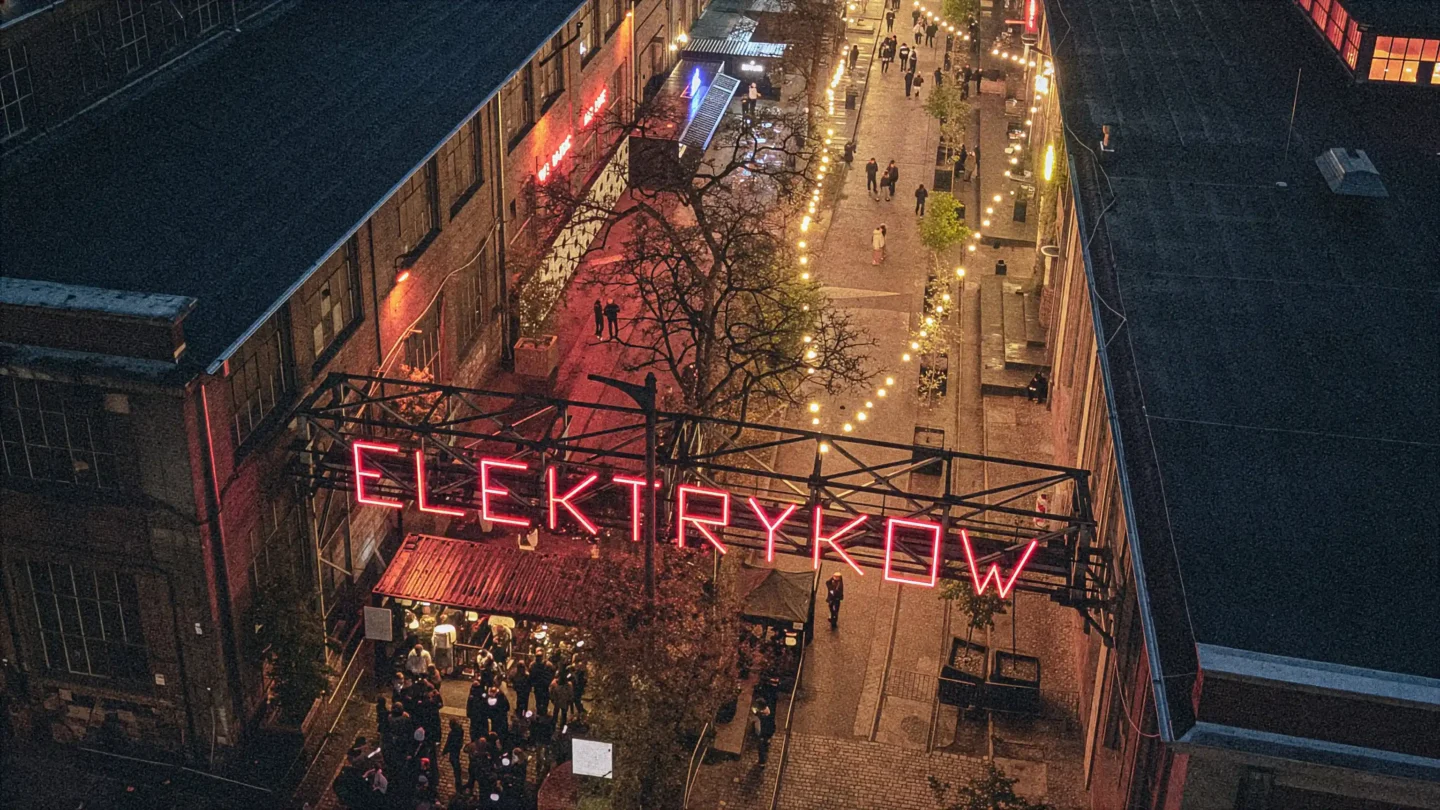
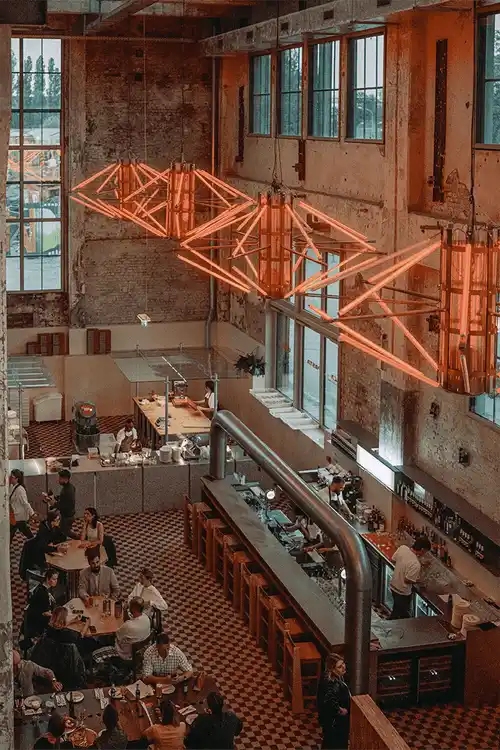
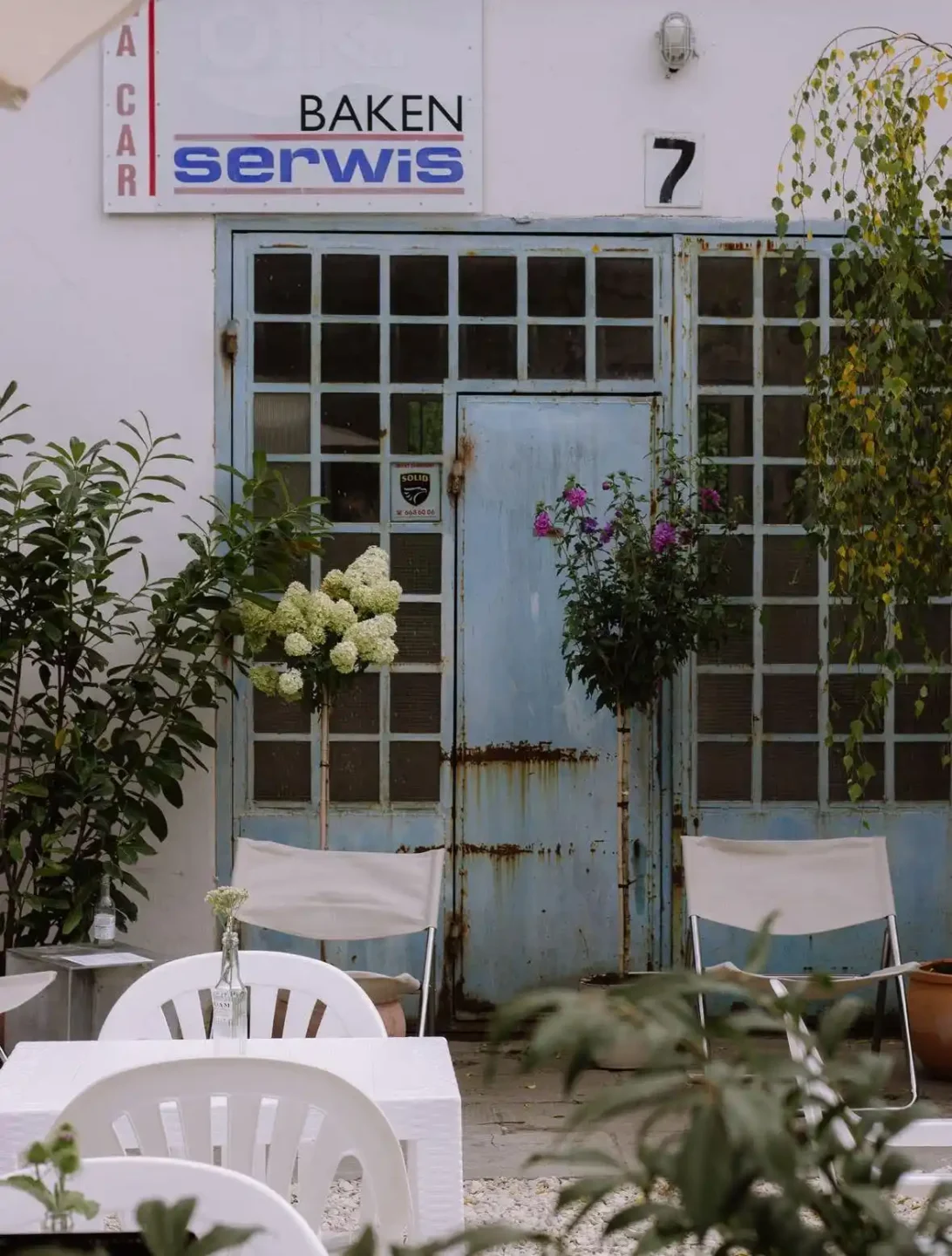
We believe the best stage design is one that lives and breathes with the city. A perfect example is Warsaw’s Baken Bar — a venue housed in a former car workshop that has transformed from a space smelling of motor oil into a vibrant hotspot on the Żoliborz map. Gdańsk’s Ulica Elektryków plays a similar role, where the raw, shipyard atmosphere provides a ready-made backdrop for concerts and premieres. By entering such a place, a brand doesn’t need to create the vibe — it becomes part of it.
How to tell if a venue has “third place” potential?
Instead of looking for yet another “white space,” it’s worth viewing the location through the lens of experience:
- Does the place have its own community and lifestyle that the brand wants to identify with?
- Does the architecture — as in the case of the Answear concept store at Fabryka Norblina — allow for immersive contact with culture and fashion?
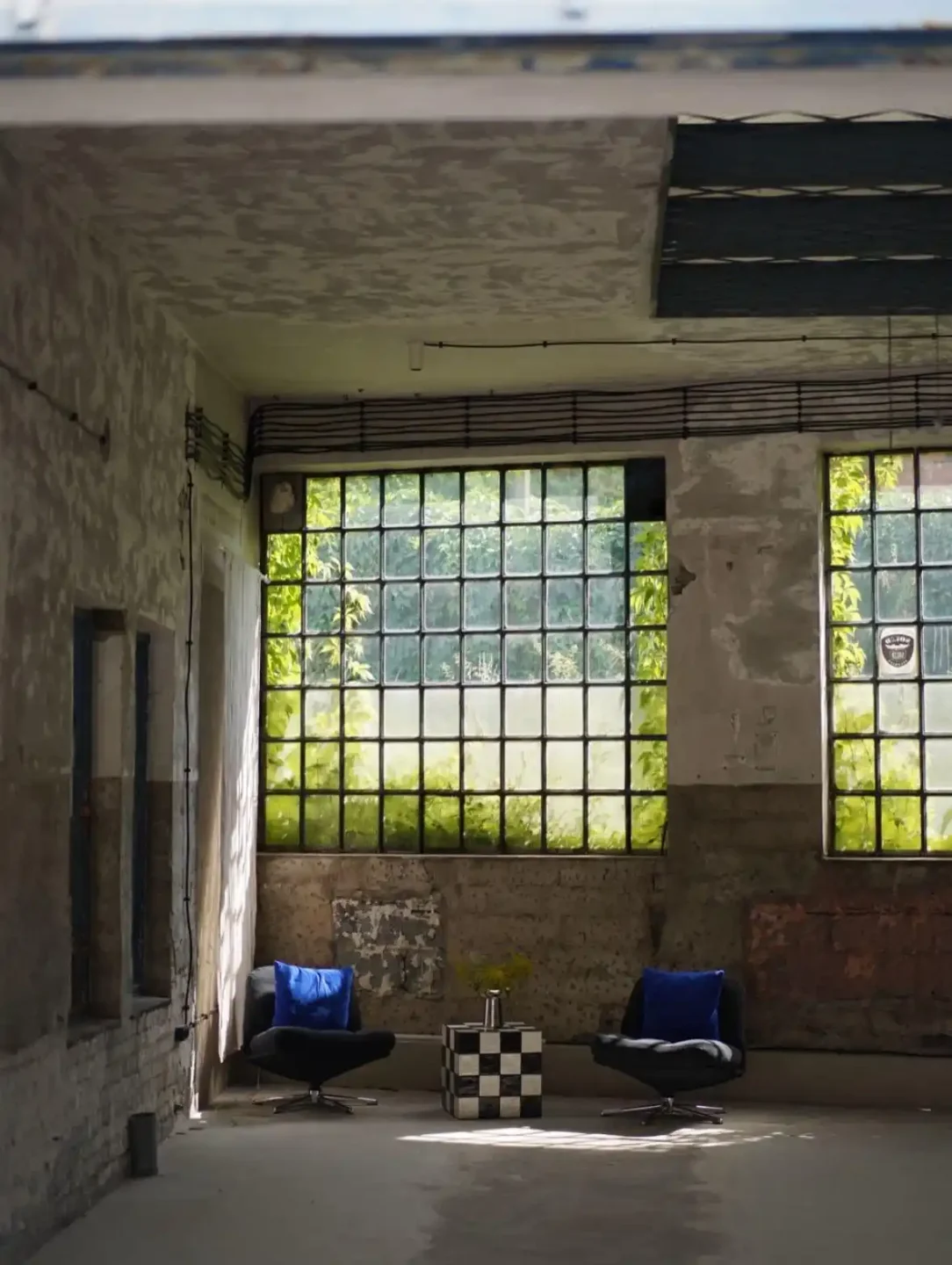
- Does the aesthetic (raw walls, industrial structures) naturally work on social media without the need for excessive scenography?
- Will guests feel like they’re at a social gathering rather than a formal event?
Instead of Building Decorations, Choose a Living Atmosphere
The power of “third places” lies in their organic nature. By choosing venues with character, a brand gains the most valuable asset of all: authentic context, in which the product is not an exhibit but part of a shared experience. That’s why modern corporate event planning increasingly relies on spaces that already have their own history and community.