Event Marketing: who are you really organising your event for?
How do you design a brand experience that continues to deliver value long after the event is over?
Your guest list tells you who you’re inviting. Your event strategy should tell you who you want to influence.
Collection launches, product launches, and exclusive brand events often require significant investment. Yet one of the most important decisions comes before choosing a venue or developing a creative concept: who are we designing this experience for?
The hundred people in the room? The thousands who will see it on social media? Or the audiences whose perception of the brand we want to shape?
Effective event marketing considers all three. It connects the live experience with a communications strategy that can continue building brand value for weeks afterwards.
Dual-Stage Design: one Concept, two stages
At Warsaw Creatives, we propose an approach called Dual-Stage Design, where every event is designed with two stages in mind: the physical stage, where guests come together, and the digital stage, where the brand’s story reaches a wider audience.
The first requires atmosphere, emotion, and interaction. The second needs a clear narrative, compelling visuals, and content that resonates with people who weren’t there. Both stages should be developed from a single brief.
This means event production, creative, and communications teams need to collaborate from the very beginning. Content requirements become part of the production process, while the communications strategy helps shape the event programme.
What does this look like in practice?
During the planning stage, it’s worth identifying three types of moments:
- Hero moment: The event’s defining visual moment, capturing the brand’s central idea.
- Guest moment: An experience guests naturally want to photograph, film, and share as user-generated content (UGC).
- Brand moment: An opportunity for direct engagement with the product, its story, or the brand’s values.
At a collection launch, for example, the hero moment might be the finale of a fashion show, the guest moment an interactive installation, and the brand moment an opportunity to explore and try on the collection.
Each moment needs a place in the event programme, a content capture plan, and someone responsible for its execution.
Case Study: Answear “Your Reflection”
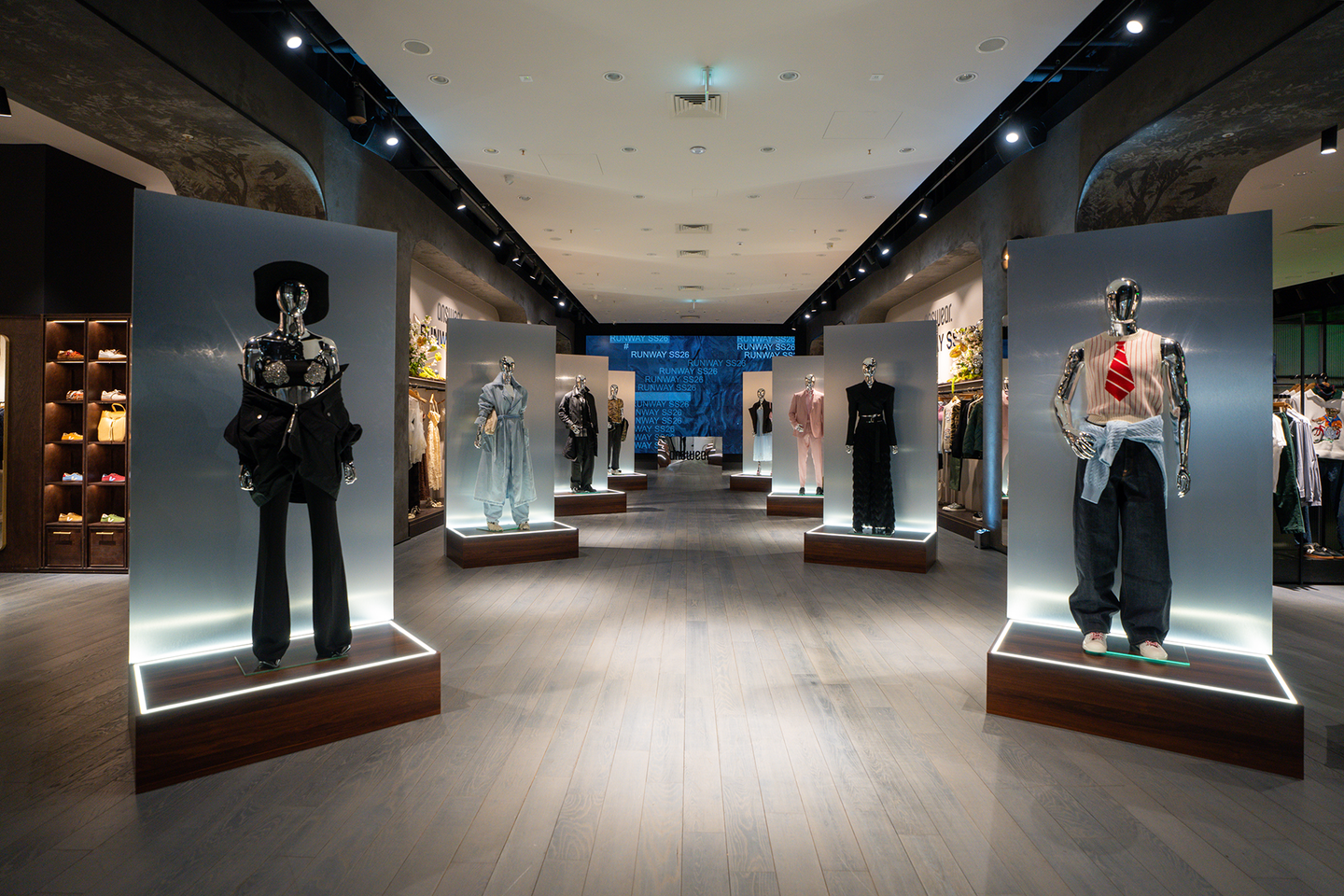
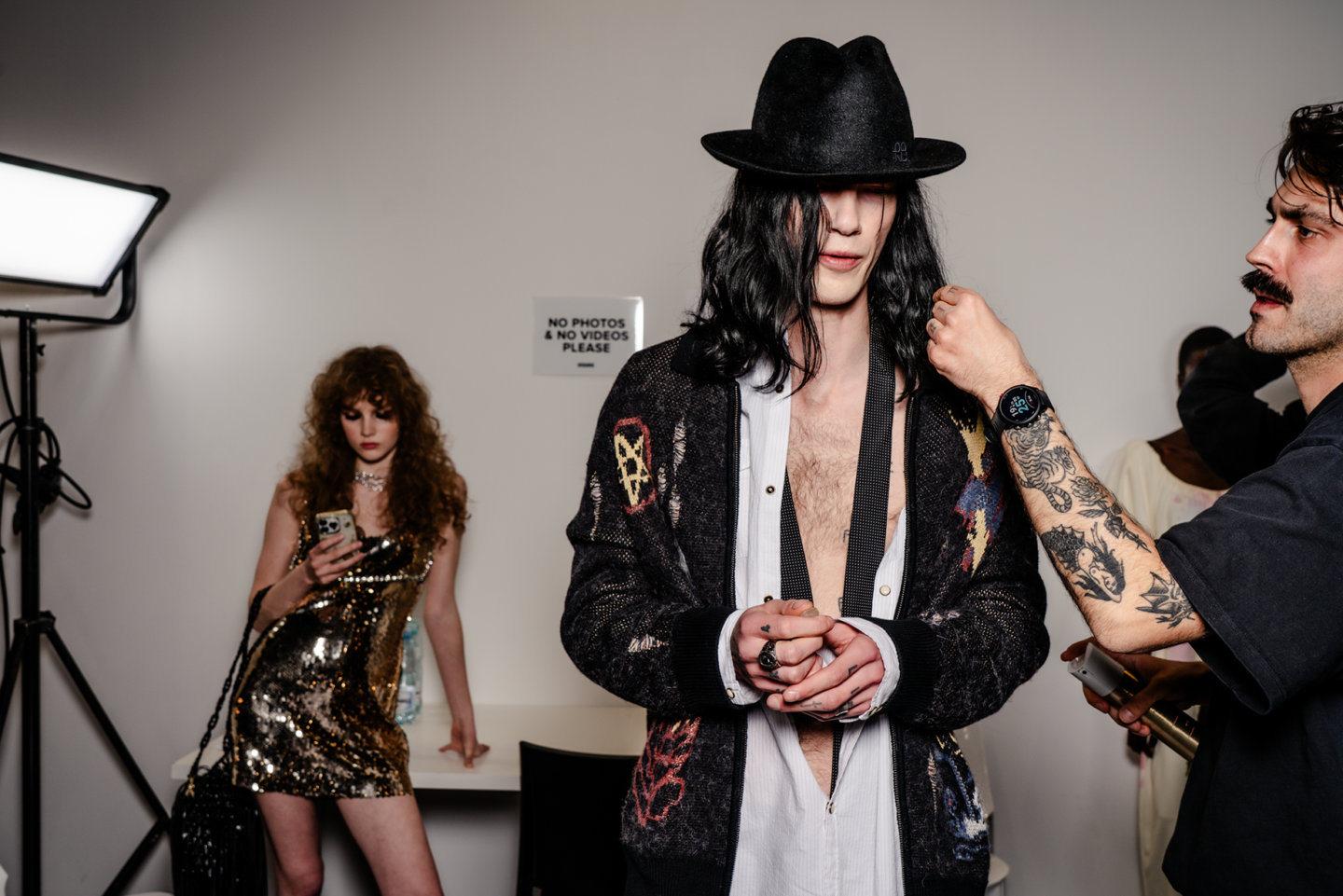
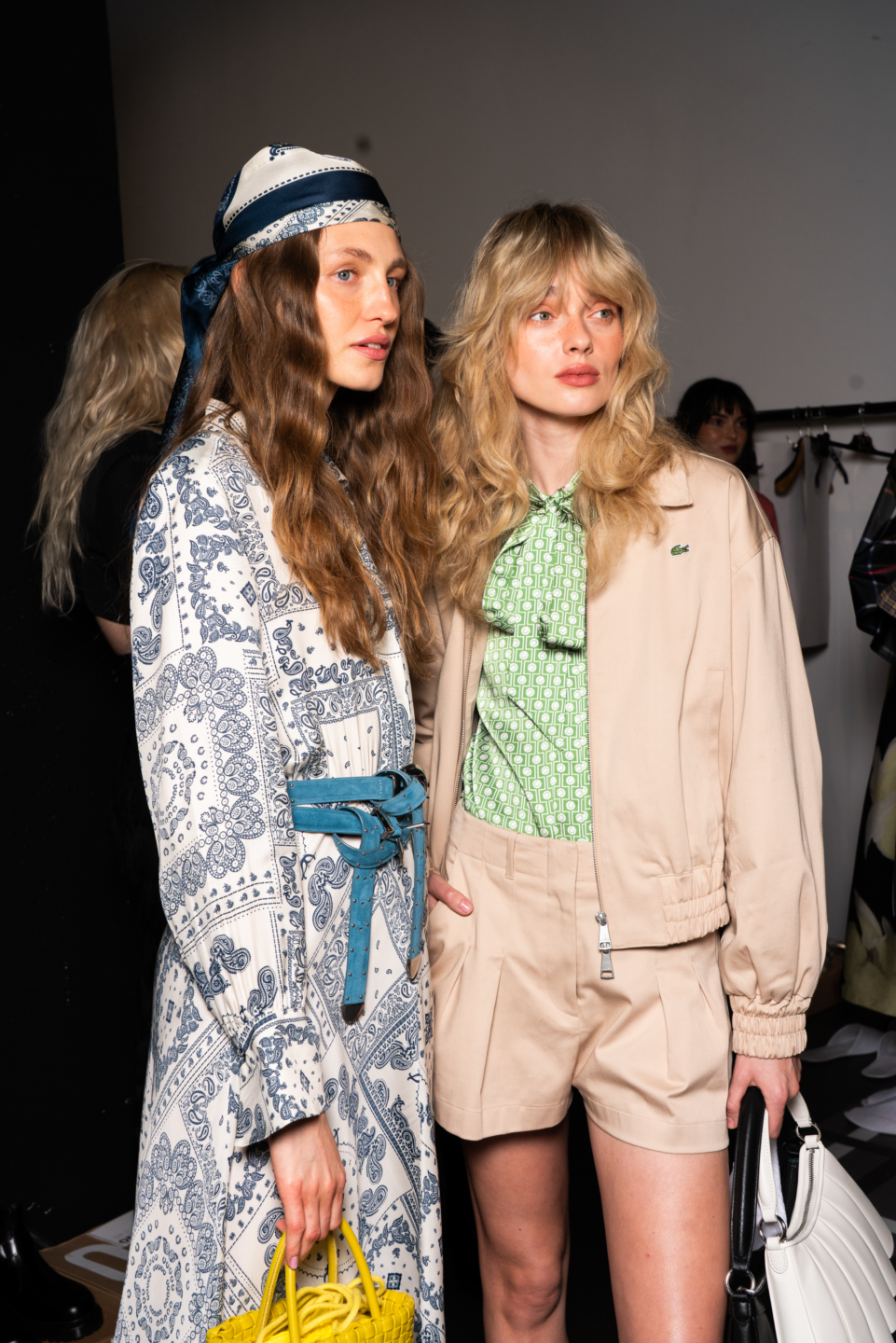
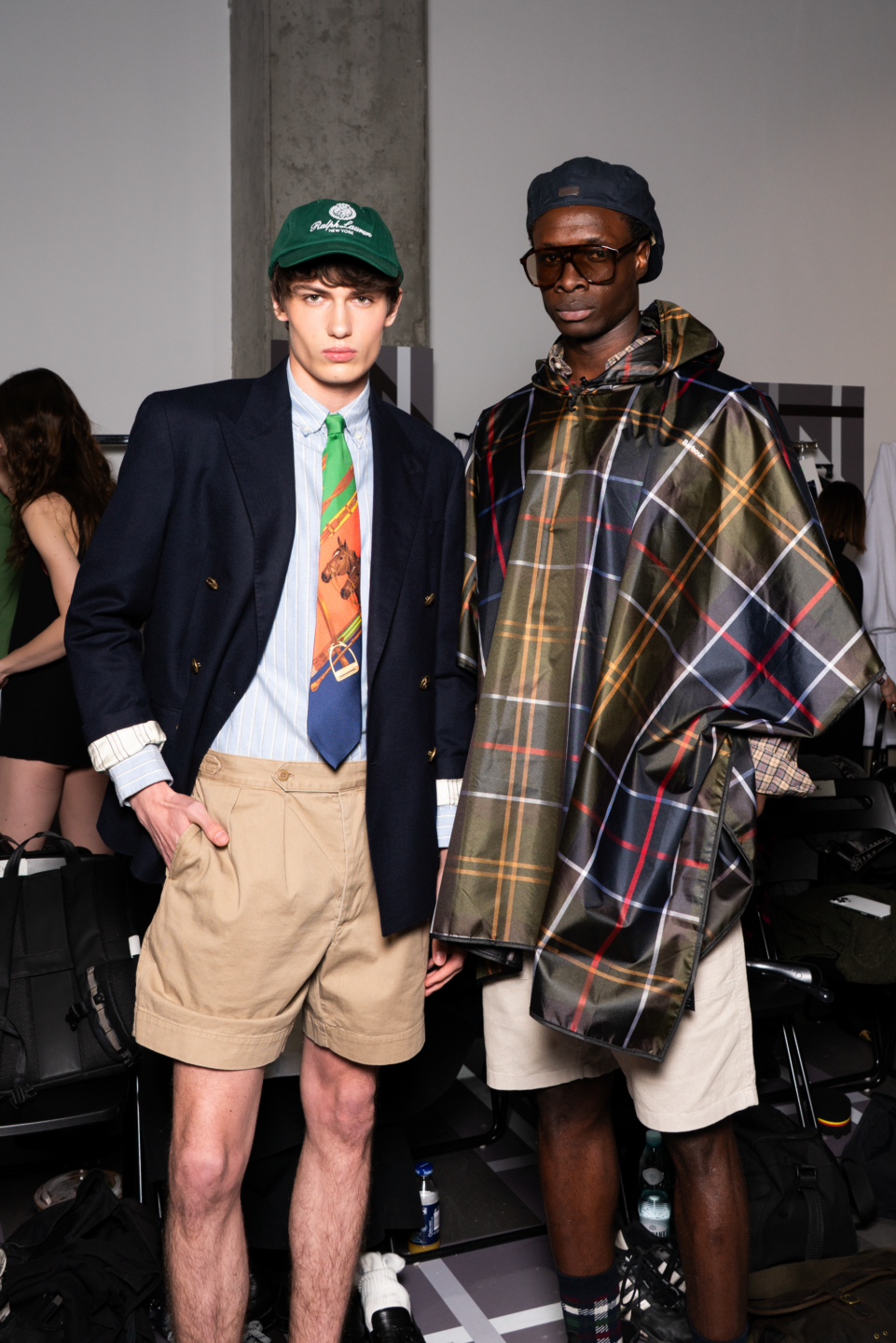
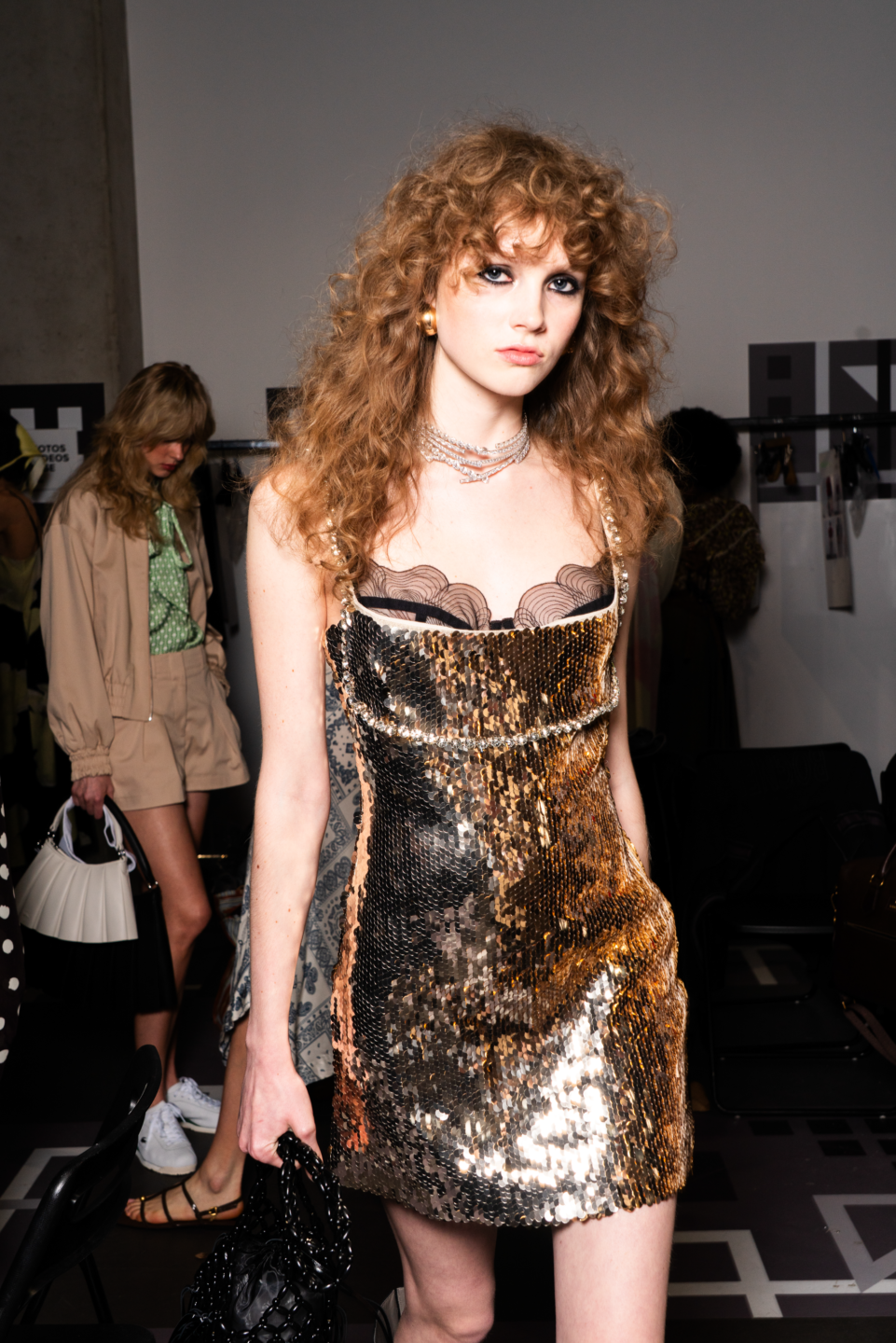
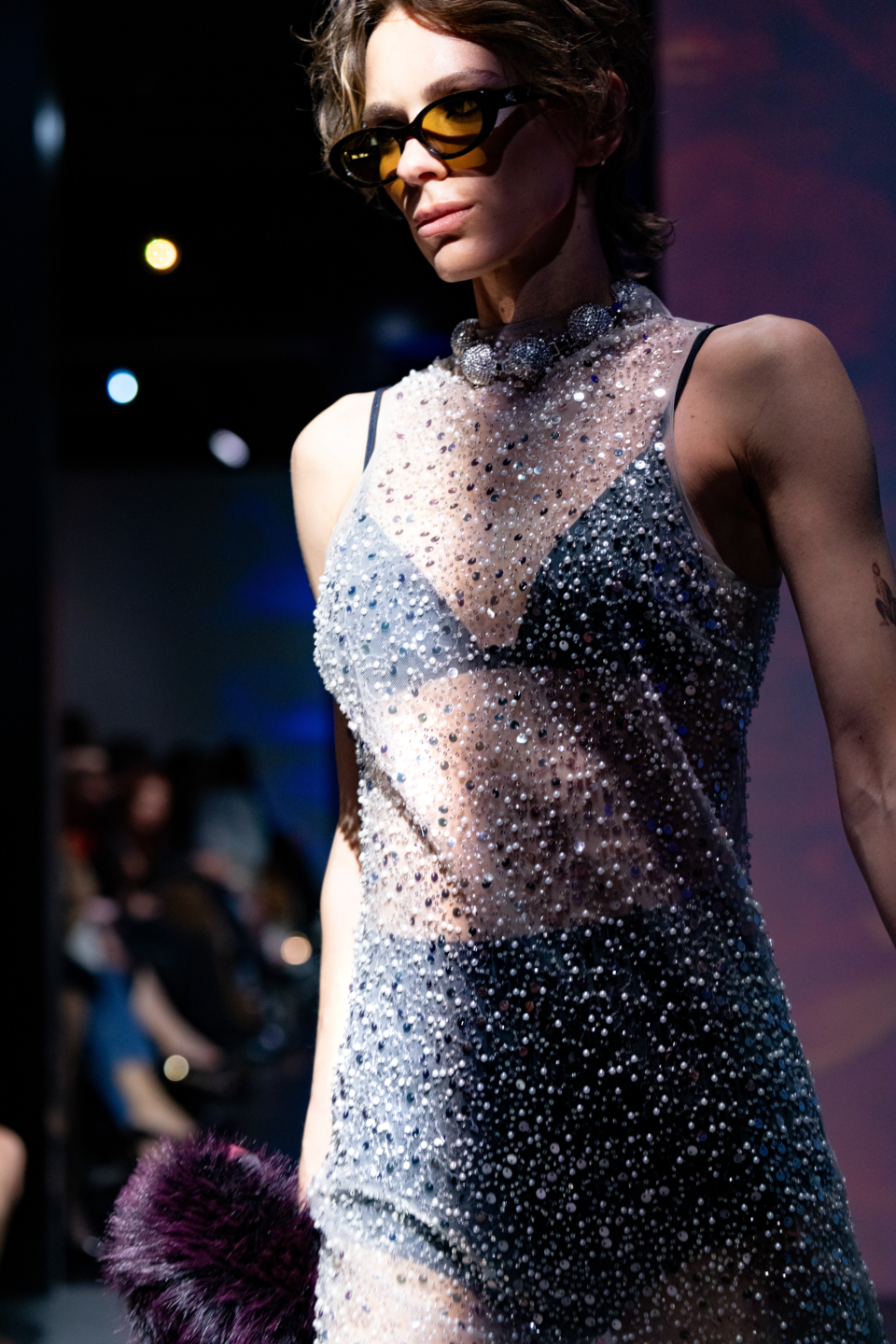
Answear’s first fashion show, “Your Reflection”, demonstrates how an event can connect a live experience, brand storytelling, and product engagement.
Held at the immersive Art Box Experience venue in Warsaw’s Fabryka Norblina, the show presented 60 looks representing four trends for the Spring/Summer 2026 season. Visuals created by Natan Berkowicz, inspired by the motif of a fluid mirror, reflected the event’s central idea: fashion as a reflection of our aspirations, emotions, and changing reality.
Set design, music, choreography, and styling created a cohesive visual language that worked both on the runway and across photography, video content, and media coverage.
Immediately after the show, Answear made all 60 looks available in an online lookbook, allowing audiences to explore individual pieces and purchase them. The story that began on the runway continued online, connecting fashion inspiration with a direct path to purchase.
For Brand Managers, there’s a practical takeaway: the event brief should define what audiences will be able to do after watching the event content. Discover a collection, explore a product, register for a launch, or make a purchase? The answer should inform the creative concept, content plan, and performance measurement.

Who is responsible for the hero shot?
Impressive set design can lose its impact in a vertical frame. Lighting that creates the perfect atmosphere in the room may make filming difficult, while the evening’s most important moment could happen when the photographer is elsewhere.
That’s why the content plan should be part of the event’s production documentation. Five practical questions need to be answered:
- What is the hero shot? A scenographic installation, product reveal, runway finale, or performance?
- Where will it be captured? Check camera angles, lighting, background, and the possibility of producing both vertical and horizontal formats.
- When will the key moment happen? It should be included in the event schedule and technical run of show.
- Who is responsible for execution? The Event Manager coordinates preparations, the show director gives the cue, the technical team manages lighting and sound, and the photo and video crew captures the moment.
- How will the content be used? Formats, delivery deadlines, and distribution channels should be agreed upon before the event.
If a runway finale is intended to become the brand’s main communications asset, the camera operator needs the right angle, lighting, and an unobstructed view. The run of show should specify when recording begins and who is responsible for giving the cue.
These production details determine whether the brand receives content that fully captures the event’s potential.
The guest list as part of the creative strategy
Every guest brings their own perspective, network, and potential story. Selecting attendees solely based on follower counts or media status can limit what an event achieves.
In fashion and beauty, bringing together content creators, editors, industry professionals, loyal customers, and emerging talent can lead to more interesting interactions than inviting only the biggest names from one particular circle.
Meeting people outside their usual professional networks also creates value for guests themselves. It encourages fresh perspectives, new connections, and spontaneous conversations.
The most interesting person at an event isn’t always the one with the largest following.
Guest selection should reflect the brand’s objectives: reaching a new community, strengthening relationships with partners, or creating opportunities for authentic brand storytelling.
It shapes both the atmosphere in the room and the diversity of content that reaches audiences beyond it.
How do you plan an event that lives on after it’s over?
Dual-Stage Design also considers the event afterlife: how an event’s potential can be extended beyond the live experience.
The communications plan should cover three phases:
- Before the event: Announcements, PR activities, teaser content, and briefing creators ahead of potential collaborations.
- During the event: Real-time publishing, UGC, capturing hero moments, interviews, and content prepared for immediate distribution.
- After the event: Aftermovies, photo galleries, media coverage, short-form video, and repurposing content across the brand’s communications channels.
Responsibilities for content selection, approval, and publication, along with delivery deadlines and usage rights, should be defined during the budgeting stage.
Footage from a product launch might first appear as a short recap on the day of the event, later become part of an aftermovie, and then support product communications over the following weeks. One production can therefore serve several stages of the communications strategy.
How much does a brand event cost, and how do you measure its ROI?
The cost of an event depends on its scale, location, set design, technology, guest numbers, and content production requirements. However, cost per attendee rarely tells the full story of an event’s effectiveness.
Consider a hypothetical budget of PLN 500,000 for 100 guests. That amounts to PLN 5,000 per attendee. But this calculation doesn’t account for the continued use of content or the event’s wider communications impact.
When reviewing a budget, it’s worth distinguishing between expenses essential to delivering the event and investments that increase its communications potential.
An additional camera, a dedicated video editor, or social-media-ready content formats may seem like secondary costs. Removing them, however, could significantly limit how the production can be used afterwards.
Event performance can be evaluated across three areas:
- Experience value: Attendance rate among priority guests, number of new business contacts, and qualitative feedback from attendees.
- Communication value: Number of media publications, estimated earned media value (EMV), engagement rate, and the volume and sharing of user-generated content.
- Long-term value: Website traffic driven by post-event content, conversions, follower growth, and changes in brand perception, where pre- and post-event research has been conducted.
The choice of metrics should reflect the project’s objectives. For a collection launch, product-page clicks and purchase conversions may be key. For a relationship-focused event, attendance by important partners and follow-up conversations may matter more.
It’s also important to establish who is responsible for measurement and when results will be reviewed. Some data can be collected immediately after the event, while other metrics can be assessed after 30 days.
Reach, engagement, and EMV help evaluate communications performance, but they don’t, on their own, demonstrate a financial return on investment.
Five questions to ask before approving an event budget
Before signing off on a creative concept and budget, Brand Managers should have clear answers to five questions:
- Who should the event engage in person, and who should it reach online?
- Which moments have the greatest communications potential, and who is responsible for delivering them?
- How does the guest list support the brand’s objectives and the quality of the experience?
- What content will be produced, who is responsible for it, and where will it be used?
- Which metrics will help evaluate results immediately after the event and 30 days later?
A strong event brief starts by defining who the brand wants to reach and how the event should influence its audience. Every decision should follow from that, from the creative concept and venue selection to set design, guest list, communications strategy, and performance measurement.